Beauty Sind Typeface Review: A Fashion-Forward Serif for Luxury Branding
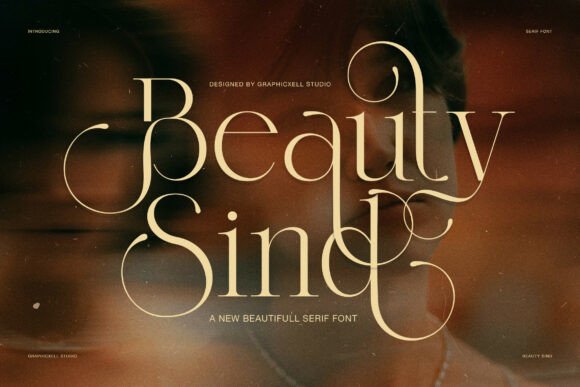
I opened a blank Figma file last Tuesday, staring at the white void of a new brand board. The client was a boutique skincare line that needed to feel expensive but approachable—think "quiet luxury" rather than "loud discount." I had spent the morning testing heavy sans serifs and playful scripts, but nothing felt quite right. They lacked weight without losing elegance. Then, I dragged Beauty Sind onto the canvas. Almost immediately, the entire mood of the project shifted. It wasn’t just a typeface; it was a direction. This serif font has a refined shape with a strong fashion style, and seeing it sit next to simple product names transformed them into editorial headlines.
If you are a graphic designer or brand strategist looking for a typeface that bridges the gap between traditional elegance and modern flair, this review is for you. Having tested Beauty Sind across logo drafts, packaging mockups, business cards, website headers, and social media layouts, I can confidently say this is one of those rare fonts that elevates every asset it touches. Below, I’ll break down exactly how this font performs in real-world commercial applications, where it shines, and what you need to know before adding it to your design toolkit.
Beauty Sind for Logo Design and Brand Identity Systems
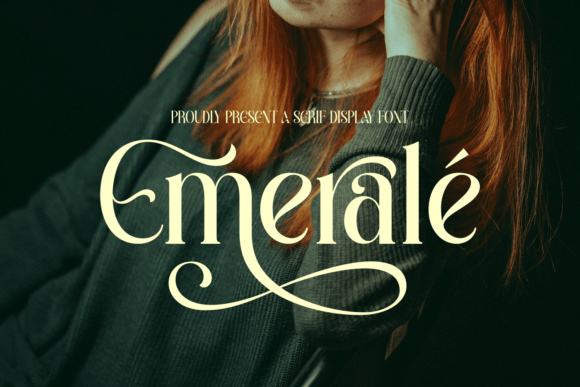
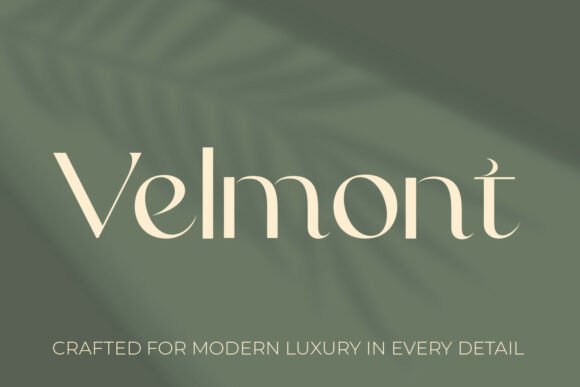
When we talk about Fonts that work in logo design, we usually look for versatility and memorability. Beauty Sind offers a distinct personality right out of the box. Because of its long loops and flowing details, Beauty Sind can turn simple words into eye-catching typography that demands attention without shouting. In my recent test with a local artisanal bakery, I used Beauty Sind for the primary logotype. The result was striking: the serifs provided stability, while the sweeping curves added a sense of movement and grace that plain geometric fonts simply couldn't achieve.
For brand identity systems, consistency is key. Beauty Sind holds up well as a display font because its character shapes are unique enough to serve as a visual anchor. However, it’s important to note that this is best used as a headline font or logo font rather than a body text typeface. The flowing details create a high level of visual interest that can become fatiguing if applied to paragraphs of text. When paired correctly, though, it creates an immediate sense of premium quality. I found that pairing it with a clean, neutral sans serif font for secondary information allowed the logo to remain the hero while keeping the overall layout readable and professional.
Beauty Sind in Packaging Design and Product Labels
Packaging design requires typography that can compete on a crowded shelf. Whether it’s a cosmetic jar, a wine bottle, or a handmade soap bar, the label needs to communicate value instantly. This font has a refined serif shape with a strong fashion style, making it particularly effective for beauty, wellness, and lifestyle products. During a mockup session for a luxury candle brand, I placed Beauty Sind on a minimalist cream-colored label. The contrast between the dark ink and the elegant letterforms created an instant perception of high cost and high care.
The font’s ability to convey mood is its strongest asset here. If you are designing for a niche market that values aesthetics and craftsmanship, Beauty Sind signals that the product inside is curated. It works beautifully for short phrases, ingredient lists headings, and taglines. For example, using it for the word "Organic" or "Handcrafted" adds a layer of sophistication that generic fonts miss. Just be mindful of scale; when reducing this font for tiny labels, ensure you are using the heaviest weight available to maintain legibility. The delicate thin weights may disappear entirely on small print runs, so always proof physically before finalizing your packaging files.
Beauty Sind for Editorial Design and Social Media Graphics
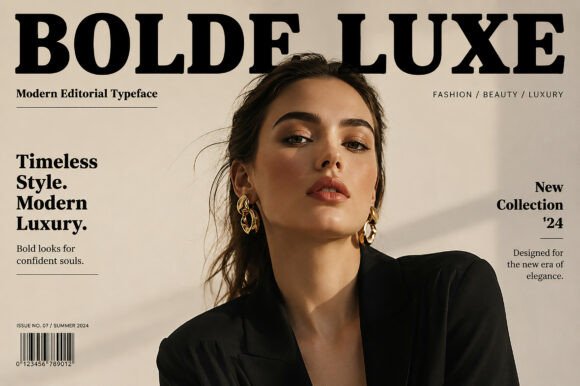
In the digital space, stopping the scroll is half the battle. Beauty Sind excels in editorial design contexts, such as blog headers, magazine covers, or newsletter titles. Its flowing details draw the eye naturally along the baseline of the text, creating a rhythmic reading experience that feels intentional and polished. I tested this by setting up a series of Instagram posts for a creative studio. Using Beauty Sind for the main quotes and headlines gave the grid a cohesive, high-end magazine feel.
For social media graphics, this font serves as a powerful accent font. It pairs exceptionally well with modern typography systems that rely on minimalism. By letting Beauty Sind handle the emotional heavy lifting in the headlines, you can use simpler supporting fonts for captions and calls to action. This hierarchy helps guide the viewer’s eye through the content effectively. Furthermore, the font’s stylish nature makes it suitable for event posters, flyers, and promotional banners where you want to evoke a sense of exclusivity or trendiness. It captures the essence of current fashion trends while remaining timeless enough for long-term branding campaigns.
Practical Considerations: Pairing, Weights, and Licensing
Before integrating Beauty Sind into your final client work, it is crucial to review the included styles carefully. Most premium font packages include multiple weights (light, regular, bold) and potentially italic variants. For a fashion-forward look, mixing the lighter weights with bold headers can create dynamic contrast. Additionally, check if the package includes alternates, ligatures, or swashes. These features allow you to customize the typography further, adding unique flourishes that enhance the brand’s personality without needing additional design elements.
Font pairing is another area where careful thought is required. While Beauty Sind is a serif font, it does not pair traditionally with other ornate serifs. Instead, it benefits from the structural clarity of a sans serif font or the casual balance of a handwritten font. A clean geometric sans serif provides a neutral backdrop that lets Beauty Sind’s intricate details stand out. Avoid pairing it with script fonts unless you are highly experienced, as the combination can quickly become cluttered and hard to read.
Finally, always verify the commercial font licensing terms. Even if you have downloaded the font for personal testing, using it in client work, brand identity projects, merchandise, or websites often requires a specific license. Ensure you understand the scope of usage—whether it covers digital screens, print runs, or broadcast media. Proper licensing protects both you and your client from legal issues and ensures you are supporting the type designer fairly. Take the time to test Beauty Sind in your specific context, export proofs, and evaluate readability before committing to it as your primary brand asset.