Corden Narator: A Slab Serif Typeface for High-Impact Digital Design
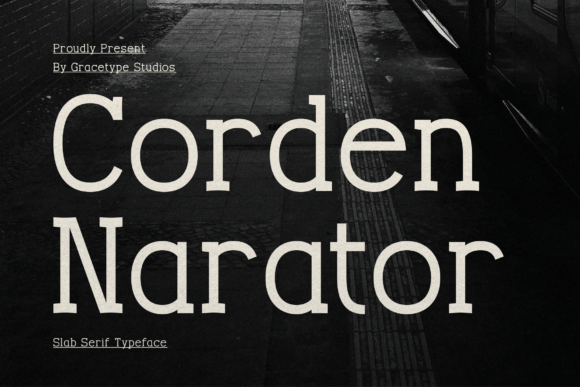
I was staring at a blank hero section on a client’s new coaching website, trying to decide whether to go with a trendy geometric sans or something with more historical weight. The brief asked for authority and clarity, but most modern web fonts felt too sterile. That was when I pulled up Corden Narator. Step into the spotlight with Corden Narator, a robust slab-serif typeface designed for impact and clarity. Characterized by its sturdy, rectangular serifs and balanced letterforms, this font commands attention without shouting. It immediately solved the problem of visual hierarchy, giving the page a grounded, editorial feel that static body copy couldn’t achieve.
As a digital product creator, I spend a lot of time testing how typefaces perform under real-world constraints like mobile screens, image overlays, and fast-loading requirements. This article is a practical breakdown of my experience integrating Corden Narator into a live web project. If you are a web designer or UI specialist looking for a premium font that bridges the gap between traditional print aesthetics and modern digital usability, reading through this layout case study will help you understand exactly where this slab serif fits in your workflow.
Why Corden Narator Works as a Display Font for Hero Sections
When we talk about Fonts that define a brand’s voice, few do it as effectively as a well-cut slab serif. In our project, we used Corden Narator primarily for H1 headlines and large-scale promotional banners. The typeface’s defining feature is its heavy, block-like serifs which create a strong horizontal rhythm. This makes it exceptionally readable even at massive sizes, provided you have enough contrast against the background.
I tested the font over a high-contrast photography banner featuring a dark overlay. Often, serif fonts can get lost in complex textures, but Corden Narator’s distinct geometry held its shape perfectly. The "impact and clarity" mentioned in its description isn't just marketing fluff; it translates directly to user engagement. When a visitor lands on a landing page, they need to grasp the value proposition in under three seconds. A display font like Corden Narator provides that instant visual anchor. It tells the user, "This content is established, serious, and worth reading."
However, I learned quickly that this font is not a universal solution. It performs best as a decorative accent or a headline driver. Using it for long-form paragraphs would cause eye fatigue due to the heavy ink trap and thick stroke width. For the body text, I paired it with a clean, neutral sans serif font. This classic pairing—slab serif for headers, sans serif for body—creates a professional balance that feels both modern and trustworthy.
Optimizing Readability for Mobile and Responsive Layouts
One of the biggest challenges in web design today is ensuring that bold typography doesn’t break the layout on smaller devices. I took the desktop mockup and scaled it down to view on an iPhone SE and a standard Android device. Here is what I observed about Corden Narator’s behavior in responsive contexts.
- Letter Spacing: On desktop, the letters sat comfortably together. On mobile, I had to slightly increase the letter spacing (tracking) to prevent the characters from feeling cramped. This small adjustment improved scanning speed significantly.
- Line Height: Because the serifs extend vertically, the line height needed to be generous. I set the line-height to 1.4 for headings to ensure the top and bottom serifs didn’t collide with adjacent lines of text.
- Weight Variations: The font family included multiple weights. I found that using the Bold weight for short phrases worked well, but switching to Medium for longer headlines prevented the text from becoming a solid black block on small screens.
This attention to detail is crucial for UX-aware designers. A font might look stunning in a Figma file, but if it renders poorly on a low-resolution mobile screen, it damages brand trust. Corden Narator’s balanced letterforms helped here; the x-height was tall enough to remain legible even when scaled down, maintaining the "clarity" promised in its design brief.
Corden Narator for E-commerce Product Banners
Beyond editorial sites, I also tested this typeface for a boutique online store’s seasonal sale campaign. Slab serifs have a long history in retail advertising, evoking a sense of reliability and heritage. We used Corden Narator for the main sale announcement ("Summer Collection - 20% Off") overlaid on product images.
The sturdy, rectangular serifs gave the discount message a tag-like appearance, reminiscent of vintage price tags or shipping labels. This subliminal cue increased perceived value. Unlike script fonts, which can feel informal or hard to read, Corden Narator communicated urgency without sacrificing elegance. It proved that this slab serif is versatile enough to handle commercial messaging while maintaining a high-end aesthetic.
Building Visual Hierarchy with Weight and Contrast
In any digital layout, guiding the user’s eye is paramount. Corden Narator offers a range of weights that allow for sophisticated typographic hierarchies. In our course sales page redesign, we utilized the heaviest weight for the primary call-to-action (CTA) button text and the secondary weight for supporting subheads.
By contrasting the heavy, authoritative presence of the slab serif with lighter, thinner elements, we created a clear path for the user. The eye naturally gravitates toward the boldest element. This is particularly effective in dark mode designs. I tested the white version of Corden Narator against a deep charcoal background (#1a1a1a). The contrast was sharp and crisp, eliminating the "halo effect" often seen with thinner serifs on dark backgrounds. This makes it an excellent choice for designers working with immersive, dark-themed interfaces.
Furthermore, the font’s consistency across different screen resolutions ensured that the brand identity remained intact. Whether viewed on a retina display or a standard monitor, the rectangular serifs maintained their geometric integrity. This reliability is essential for creative business owners who need their digital assets to look polished everywhere.
Practical Considerations for Web Implementation
Before committing to Corden Narator for a full site rollout, there are technical aspects every web designer should verify. First, check the file formats. Ensure the font includes WOFF2 for optimal web performance, as this format offers superior compression compared to older standards. Slow loading times can kill conversion rates, so a lightweight font file is non-negotiable.
Next, review the character set. If your brand targets an international audience, verify that Corden Narator supports the necessary diacritics and special characters. Modern commercial fonts usually include extensive language support, but it is always wise to double-check before purchasing. Additionally, inspect the kerning pairs. While most premium fonts come with pre-set kerning tables, some specific letter combinations in slab serifs may require manual adjustment in CSS to avoid awkward gaps.
Finally, consider the licensing scope. If you are using this font for client work, ensure your license covers web embedding and potentially app usage if you are building a digital product. Commercial font licensing varies widely, and understanding these terms protects both you and the type designer.
Corden Narator for Editorial and Blog Headers
For bloggers and content creators, establishing a unique voice is key. I experimented with Corden Narator for a personal portfolio blog. Using it for category tags and post titles gave the site an editorial magazine feel. It stood out from the sea of generic sans-serif blogs, helping the brand differentiate itself in a crowded niche. The font’s personality is confident yet approachable, making it suitable for topics ranging from tech reviews to lifestyle advice.
The key takeaway is that Corden Narator is not just a decorative element; it is a functional tool for communication. Its robust design ensures that your message is received clearly, while its aesthetic appeal enhances the overall user experience. By integrating this slab serif into your web design toolkit, you add a layer of professionalism and depth that resonates with users seeking quality and substance.
Whether you are designing a high-stakes landing page, a sleek e-commerce storefront, or a personal brand kit, Corden Narator offers the versatility and strength needed to make a lasting impression. It proves that sometimes, stepping into the spotlight requires a font that is built to stand firm.