Monoline Handwriting: A Refined Typeface for Editorial Design
I was sitting at my desk last Tuesday, staring at a blank Canva canvas, trying to finalize the header for a new lifestyle newsletter. The content was solid—thoughtful essays on slow living and mindful design—but the visual presentation felt flat. I had tried several bold sans-serifs, but they clashed with the intimate tone of the writing. Then, I stumbled upon Monoline Handwriting. It wasn’t just another decorative script; it possessed a quiet confidence that immediately elevated the entire layout. This article explores how this specific typeface can transform your digital and print projects by balancing artistic flair with functional readability.
Why Monoline Handwriting Elevates Blog Headers and Digital Magazines
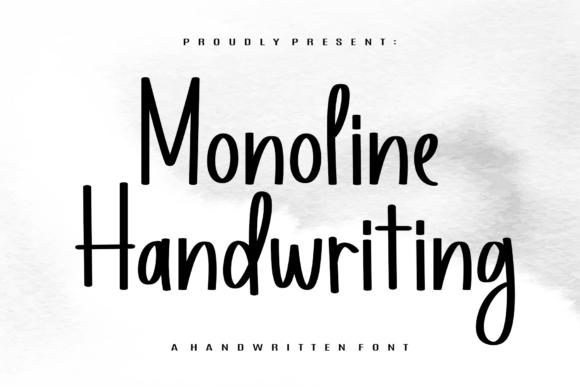
When you first look at Monoline Handwriting, you notice its appealing simplicity right away. It is an effortlessly stylish font characterized by its fluidity and legibility, which are often contradictory traits in script typography. In the world of editorial design, where space is premium and attention spans are short, having a display font that doesn’t fight for attention but rather guides the eye is invaluable. I used this font for the masthead of a mini digital magazine I’m building, and the contrast between the organic curves of the letters and the clean grid of the layout created a sophisticated hierarchy. Unlike overly ornate calligraphy that requires squinting, Monoline Handwriting allows readers to grasp the title instantly, setting a welcoming mood before they even read the first sentence of the article.
Using Monoline Handwriting for Recipe Ebooks and Printable Guides
One of the most practical applications for this typeface is in food blogging and culinary publishing. When designing a recipe ebook or a printable meal planner, you need text that feels personal yet precise. Monoline Handwriting offers the warmth of a handwritten note without sacrificing clarity. I tested this by using the font for ingredient headers and step-by-step instructions in a sample PDF guide. The uniform stroke width—a hallmark of monoline designs—ensures that even smaller sizes remain crisp on mobile screens. This consistency is crucial for user experience, as it prevents the visual fatigue that comes from reading dense blocks of decorative text. By reserving Monoline Handwriting for section titles and pull quotes, while keeping body copy in a neutral serif, the document remains highly readable and aesthetically pleasing.
Monoline Handwriting for Wedding Invitations and Elegant Branding
The fashion and wedding industry constantly seeks fonts that convey romance without appearing cliché. Monoline Handwriting fits this niche perfectly because it is designed with harmony in mind. Its ease of recall makes it a standout choice for brand identities that want to feel approachable yet high-end. I recently assisted a client in rebranding her boutique stationery line, and we selected this font for her logo and packaging tags. The clean lines give it a modern edge, distinguishing it from traditional, swash-heavy scripts. When paired with ample white space and minimalistic photography, the font speaks volumes about quality and taste. It works exceptionally well for social media graphics, allowing brands to maintain a cohesive visual language across Instagram posts and Pinterest pins.
Readability Considerations for Screen Reading and Mobile Layouts
As designers, we must acknowledge that most of our audience reads on smartphones. A common mistake is choosing a script font that becomes illegible when scaled down. Monoline Handwriting avoids this pitfall through its balanced proportions and open counters (the enclosed spaces within letters like 'e' or 'a'). In my testing, I exported various layouts to PDF and viewed them on different devices. The font maintained its integrity, ensuring that headlines remained sharp and distinct. For longer-form content, such as coaching workbooks or educational courses, it is best practice to use this font sparingly. Use it for chapter openers or key takeaways to break up the monotony of body text. This strategic application keeps the reader engaged and emphasizes important information without overwhelming the page.
Font Pairing Strategies for Editorial Consistency
No typeface exists in isolation, and finding the right partner for Monoline Handwriting is essential for a polished final product. Because this script font has a strong personality, it pairs beautifully with understated typefaces. For body text, I recommend a classic serif font that complements the elegance of the script without competing with it. Alternatively, a clean sans-serif font works wonders for captions, navigation menus, and footnotes, creating a modern contrast that highlights the handwritten element. When designing a complete brand kit, ensure that the weights and styles available in the Fonts package support your needs. Many users overlook the importance of checking for alternate characters or ligatures, which can add unique flourishes to specific words, enhancing the overall design narrative.
Technical Details and Commercial Licensing for Creators
Before incorporating Monoline Handwriting into any commercial project, it is vital to review the licensing terms. Whether you are selling templates on Etsy, creating paid newsletters, or designing client publications, understanding the scope of the Script Handwritten license protects your business. Most premium fonts come with comprehensive file formats, including OTF and TTF, ensuring compatibility with major design software like Adobe InDesign, Illustrator, and Photoshop. Additionally, check for multilingual support if your content targets international audiences. Proper attribution and adherence to usage rights not only respect the creator’s work but also build trust with your own audience, signaling that you value professionalism and quality in every aspect of your content creation.
Final Thoughts on Integrating Script Fonts into Your Workflow
Incorporating Monoline Handwriting into your design workflow is more than just a aesthetic choice; it is a strategic decision to enhance communication. By leveraging its fluidity and legibility, you create a reading experience that feels both curated and natural. Whether you are designing a wedding guide, a digital course, or a personal blog, this font adds a layer of sophistication that resonates with readers. Take the time to experiment with scale, spacing, and pairing. The right typographic choice can turn a good layout into an unforgettable one, making your content stand out in a crowded digital landscape.