Sharp History Typeface Review for Editorial Design
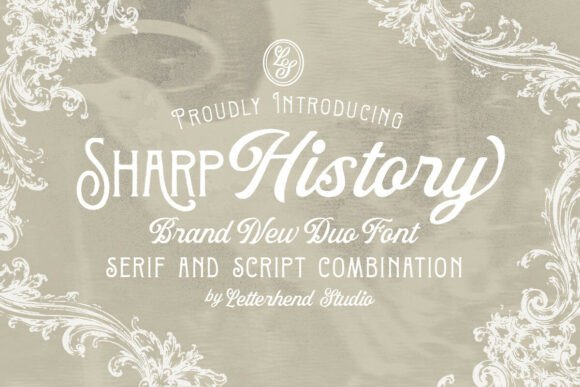
I was sitting at my desk last Tuesday, staring at a blank Figma canvas, trying to decide on the typographic voice for a new digital magazine layout. The content was heavy—long-form essays on cultural history—but the design needed to feel light, approachable, and distinctly vintage without slipping into cliché. That is when I pulled Sharp History from my library. It wasn’t just another decorative typeface; it was a strategic choice that immediately anchored the entire project. As a serif font duo, it offered exactly what modern editorial design demands: a balance of classic authority and fluid elegance.
If you are an independent publisher, a blogger, or a designer building brand identity for a creative client, you know that typography sets the emotional tone before a single word is read. Sharp History delivers a sophisticated narrative through its dual nature. It combines a structured, ornamental serif with a smooth, flowing script, creating a visual rhythm that feels both curated and personal. In this review, I will walk you through how this specific pair of fonts performs in real-world publishing scenarios, from newsletter headers to printable workbooks.
Sharp History for Digital Magazine Covers and Blog Headers
The first test of any display font is its ability to command attention in a crowded digital space. When designing a blog header or a digital magazine cover, you need a typeface that stands out against imagery without fighting for dominance. Sharp History excels here because its decorative serif style adds classic character with subtle ornamental details that catch the eye. These details are not loud; they are refined, suggesting quality and thoughtfulness.
In my recent project, I used the serif component of Sharp History for the main headline. The letterforms have a crisp, sharp edge that contrasts beautifully with softer photographic elements. This contrast creates immediate visual hierarchy. Readers’ eyes are drawn to the title, establishing the mood of the article before they even begin to scroll. For bloggers and content creators looking to elevate their publication identity, using a premium font like this signals professionalism. It moves your site away from generic templates and toward a bespoke editorial experience. The font’s ability to hold its own as a display font makes it ideal for titles, subtitles, and section headings where impact is key.
Sharp History in Newsletter Graphics and Social Media Content
Newsletters are intimate spaces. They live in the inbox, close to the reader’s daily routine. To keep subscribers engaged, the visual design must feel warm and inviting. This is where the second half of the Sharp History duo shines. The included script font is smooth, elegant, and remarkably legible, which is rare for handwritten-style typefaces. Many script fonts become difficult to read at small sizes or on mobile screens, but this one maintains clarity while adding a touch of human warmth.
I tested Sharp History in a weekly creator newsletter, using the script for pull quotes and introductory remarks. The result was a layout that felt conversational yet polished. The script bridges the gap between formal editorial design and casual blogging. For social media graphics, this versatility is invaluable. You can use the serif for the main message and the script for accents, creating a dynamic composition that stops the scroll. Whether you are designing Instagram posts, Pinterest pins, or email headers, this font duo provides the creative flexibility needed to maintain brand consistency across platforms. It proves that modern typography does not have to be stark or minimalist to be effective.
Sharp History for Printable Planners and Workbook Layouts
Digital product creators often struggle to find fonts that look good on screen but also print cleanly. Sharp History addresses this challenge effectively. Its clean lines and open counters ensure that text remains readable whether viewed on a tablet or printed on paper. I recently used this font for a coaching workbook, pairing the serif for chapter titles and the script for motivational callouts. The combination created a structure that felt organized yet inspiring.
For printable planners and guides, readability is paramount. While Sharp History is primarily a display font, its structural integrity allows it to support clear content organization. However, it is important to note that this font is best suited for headlines, subheads, and decorative accents rather than dense body copy. Using it for long paragraphs would fatigue the reader. Instead, pair it with a highly legible sans serif font for the main text. This font pairing strategy ensures that the design remains visually interesting without compromising accessibility. The ornamental details of the serif add personality to page numbers and section dividers, elevating the perceived value of your digital products.
Sharp History for Wedding Invitations and Elegant Branding
The wedding and event industry relies heavily on typography to convey mood. Couples and planners look for fonts that evoke romance, tradition, and sophistication. Sharp History fits this niche perfectly. The vintage-inspired aesthetic lends itself naturally to elegant branding projects. I have seen designers use this font for wedding invitations, where the script adds a personal, hand-written touch, while the serif grounds the design with traditional elegance.
Beyond weddings, this font duo works well for boutique brands, lifestyle blogs, and heritage-inspired businesses. If you are building a brand identity that values history and craftsmanship, Sharp History communicates those values instantly. The subtle ornamental details suggest attention to detail, a trait that resonates with audiences who appreciate quality. When selecting fonts for such projects, consider the full range of weights and styles available. Ensuring you have access to all components of the duo allows for greater creative control in logo design, packaging design, and marketing materials.
Practical Considerations for Editorial Use
Before integrating Sharp History into your next project, it is essential to evaluate its technical specifications. Always check the included file formats and licensing terms. For commercial use in ebooks, templates, or paid newsletters, ensure you have the appropriate commercial font license. Additionally, verify if the font supports multilingual characters if your audience is global. The presence of ligatures and alternates can enhance the flow of the script, so experiment with these features to see what best suits your layout.
Readability on mobile devices should also be a priority. Test your chosen font sizes on various screen resolutions. While Sharp History is designed for impact, ensuring sufficient contrast and spacing will help maintain accessibility. Avoid using the decorative serif for small captions or fine print, as the ornamental details may become muddy at low resolutions. Reserve the expressive qualities of Sharp History for areas where you want to draw focus, such as cover text, pull quotes, and section headers. By respecting the font’s strengths and limitations, you can create editorial layouts that are both beautiful and functional.
In conclusion, Sharp History is more than just a pretty typeface; it is a versatile tool for editorial designers and content creators. Its blend of decorative serif and elegant script offers a unique solution for projects that require a touch of vintage charm without sacrificing modern readability. Whether you are redesigning a blog, creating a digital magazine, or crafting a high-end invitation suite, this font duo provides the visual depth needed to engage your audience. It is a worthy addition to any designer’s toolkit, offering the reliability and style required for professional publishing.