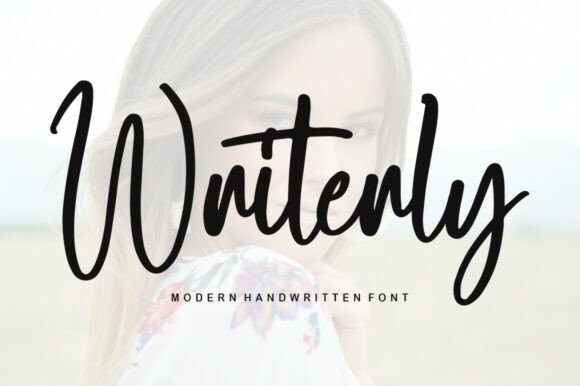
Writerly: A Delicate Script Handwritten Font for Elegant Web Design
When curating the perfect Fonts for a digital project, web designers often struggle to balance personality with usability. Writerly is a delicate, elegant, and flowing handwritten font perfect for your favorite projects. Fall in love with its incredibly distinct and timeless style, and use it to create spectacular designs that elevate brand identity without compromising user experience. As a UI designer who prioritizes both aesthetic appeal and conversion metrics, I have found that selecting the right typeface can make or break the emotional connection between a brand and its audience.
Writerly as a Hero Section Typeface for High-Converting Landing Pages
The hero section of any landing page is prime real estate, demanding immediate attention and clear communication. Using Writerly for hero titles allows you to inject warmth and sophistication into high-stakes conversions. Unlike rigid sans-serif fonts that can feel corporate or cold, this Script Handwritten style introduces a human touch that resonates with visitors on an emotional level. When paired with ample negative space, the flowing strokes of Writerly guide the eye naturally toward the primary call-to-action (CTA). For boutique online stores or creative portfolios, this font serves as a visual anchor, establishing a premium tone before the user even reads the subhead. The key here is restraint; use Writerly for short, impactful headlines rather than long paragraphs to maintain readability and prevent cognitive overload.
Enhancing Visual Hierarchy with Writerly in Blog Headers and Editorial Content
In the realm of content-heavy websites, such as blogs or news portals, maintaining a consistent visual hierarchy is crucial for retention. Writerly excels as a decorative accent within editorial layouts. By using this font for pull quotes, section dividers, or article subtitles, designers can break up dense text blocks and encourage scanning behavior. Its distinct character adds rhythm to the page, preventing the "wall of text" effect that often drives users away. When designing for mobile screens, where screen real estate is limited, Writerly’s legible yet artistic forms ensure that headers remain readable without requiring excessive scaling. This approach supports a sophisticated digital identity, making the content feel curated and professional rather than generic.
Writerly for E-Commerce Banners and Product Showcase Graphics
E-commerce brands rely heavily on visual storytelling to drive sales. Writerly is an exceptional choice for overlaying on product images or creating promotional banners because its delicate lines do not compete visually with complex photography. Instead, it complements the product by adding a layer of elegance and exclusivity. For example, a skincare brand might use Writerly to label ingredients or highlight key benefits directly on image overlays, creating a seamless integration between typography and imagery. The font’s timeless style ensures that marketing materials do not look dated quickly, which is vital for maintaining brand trust. When used in conjunction with clean, minimalist body copy, Writerly helps establish a clear distinction between decorative elements and functional information, guiding the shopper’s journey from interest to purchase.
Building Brand Identity Through Consistent Use of Script Handwritten Styles
A strong brand identity requires consistency across all touchpoints, from website headers to social media graphics. Incorporating Writerly into your design assets helps unify your visual language. Because it is a handwritten font with a refined aesthetic, it conveys authenticity and craftsmanship—traits highly valued by modern consumers. Whether you are designing email newsletters, digital invitations, or branded templates, Writerly provides a recognizable signature style. This consistency reinforces brand recall and professionalism. For SaaS founders or app developers looking to humanize their technology, using Writerly in onboarding screens or welcome messages can soften the user interface, making the digital product feel more approachable and user-centric.
Practical Pairing Strategies: Combining Writerly with Sans Serif and Serif Fonts
To maximize the effectiveness of Writerly, strategic font pairing is essential. Since Writerly is a display-oriented script, it should be balanced with simpler, highly readable typefaces for body text. Pairing Writerly with a geometric sans serif font creates a modern contrast, ideal for tech startups or contemporary fashion brands. The neutral nature of the sans serif allows the script to shine as the focal point while ensuring that detailed information remains easy to read. Alternatively, pairing it with a classic serif font can evoke an editorial or luxury feel, suitable for high-end retail or publishing platforms. The goal is to let Writerly handle the emotional appeal while the secondary font handles the informational load, creating a harmonious typographic ecosystem.
Optimizing Writerly for Mobile Responsiveness and Dark Mode Interfaces
Responsive design demands that typography adapts gracefully across various devices and viewing conditions. Writerly performs well on mobile screens when sized appropriately, but designers must be cautious with line heights and letter spacing. Tight kerning can cause the flowing letters to collide, reducing legibility on smaller displays. It is advisable to increase line height slightly when using Writerly to accommodate its ascenders and descenders. Furthermore, when implementing dark mode interfaces, ensure sufficient contrast between the font color and the background. Lighter variations of Writerly may lose definition on dark backgrounds, so testing different weights is crucial. By adjusting these parameters, you ensure that the elegance of the font is preserved without sacrificing accessibility standards.
Commercial Licensing Considerations for Web Designers and Digital Creators
For professional web designers and digital product creators, understanding licensing is as important as selecting the right font. Writerly is available as a commercial font, allowing its use in client projects, online stores, and digital templates. However, it is critical to verify the specific terms regarding webfont embedding versus desktop usage. Some licenses may require separate fees for high-traffic websites or app integrations. Ensuring compliance protects your business from legal issues and respects the intellectual property of the type designer. Always check the included file formats, such as WOFF2 for web optimization, and review the license agreement to confirm permitted use cases, including merchandise, advertising, and client deliverables.
Final Implementation Tips for Maximum Impact
- Use Sparingly: Treat Writerly like jewelry—it enhances the outfit but should not overwhelm it. Limit its use to headlines, logos, and key accents.
- Check Legibility: Always test the font at small sizes (e.g., 12px–14px) to ensure it remains readable for body copy if intended for broader use.
- Maintain Contrast: Ensure strong visual contrast between Writerly and its surrounding elements to maintain focus and hierarchy.
- Align with Brand Voice: Reserve Writerly for brands that wish to convey elegance, creativity, and personal touch.
By integrating Writerly into your design workflow, you add a layer of sophistication that distinguishes your work in a crowded digital landscape. Its ability to blend timeless elegance with modern usability makes it an indispensable asset for any serious web designer or digital creator looking to craft memorable, conversion-focused experiences.