Playful Note Typeface Review for Editorial Design
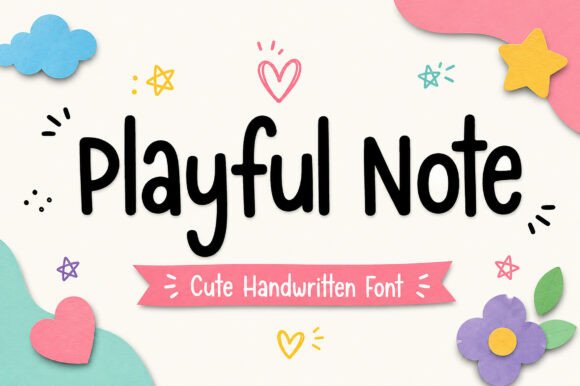
I was sitting at my desk last Tuesday, staring at a blank Canva canvas for a client’s new lifestyle newsletter header. The brief asked for something warm, inviting, and distinctly human—nothing too rigid or corporate. My cursor hovered over the usual suspects: clean sans-serifs and sturdy serifs. But none of them felt quite right. They were professional, yes, but they lacked that spark of personality that makes a reader pause and smile. That was when I remembered Playful Note, a charming and cheerful handwritten font designed to bring warmth, creativity, and personality to your projects. With its smooth strokes, playful character shapes, and friendly demeanor, it immediately stood out as the perfect solution for this specific editorial challenge.
Playful Note for Lifestyle Blog Headers and Newsletter Graphics
When you are building a brand identity for a digital publication, the first thing a visitor sees is often your header or your featured image text. This is where Playful Note truly shines as a display font. In my recent test layout for a weekend recipe ebook, I used this typeface for the main title and chapter openers. The result was immediate: the page felt less like a document and more like a personal letter from a friend. Unlike many script fonts that can feel chaotic or difficult to read, Playful Note maintains a consistent baseline and rhythm. Its smooth strokes guide the eye naturally across the screen, making it an excellent choice for blog headers, article titles, and social media graphics where you need to grab attention without sacrificing clarity.
The font’s character shapes are deliberately relaxed, avoiding the stiff formality of traditional calligraphy. This makes it ideal for modern typography trends that favor authenticity and approachability. Whether you are designing a cover for a coaching workbook, a printable planner, or a creative portfolio, Playful Note adds a layer of visual interest that standard fonts simply cannot replicate. It supports readability while still allowing your content structure to feel unique and branded. For independent content brands and creators, this balance between aesthetic appeal and functional design is crucial for establishing a memorable publication identity.
Using Script Handwritten Styles for Pull Quotes and Accents
One of the most effective ways to use Playful Note in an editorial layout is for pull quotes, section headings, or decorative accents. Because it is a script font, it carries a distinct mood that can elevate simple text into a visual statement. I tested this by placing a key takeaway quote from an interview inside a digital magazine layout. By setting the quote in Playful Note against a solid background color, it became the focal point of the page. The playful nature of the letters draws the eye, encouraging readers to linger on important points rather than skimming past them.
This application works particularly well for wedding guides, event invitations, or any project requiring a touch of elegance mixed with fun. However, it is important to remember that as a handwritten font, it is best suited for short bursts of text. Using it for longer reading passages can cause eye fatigue due to the varying stroke weights and organic curves. Think of it as a spice: a little goes a long way. When used sparingly for subtitles, captions, or emphasis, it enhances the overall design without overwhelming the content.
Playful Note for Printable Planners and Digital Workbooks
If you sell digital products such as worksheets, journals, or educational materials, the typography you choose communicates value before the customer even opens the file. Playful Note brings a sense of joy and encouragement to these formats. In a recent project involving a mindfulness journal, I paired the main headings in Playful Note with a clean sans serif font for the body text. The contrast created a beautiful hierarchy: the playful font signaled creativity and self-care, while the neutral font ensured that the instructions remained clear and easy to follow.
This combination is highly effective for course PDFs and downloadable resources. The font’s cheerful vibe aligns perfectly with niches focused on wellness, creativity, education, and personal development. It helps create a positive user experience, making the act of filling out a worksheet or following a guide feel less like a chore and more like a pleasant activity. For printable sellers on platforms like Etsy or Creative Market, using a distinctive font like Playful Note can help your product stand out in search results and previews, signaling to buyers that your designs are thoughtful and professionally crafted.
Font Pairing Strategies for Editorial Consistency
To maximize the impact of Playful Note, strategic font pairing is essential. A common mistake designers make is letting the script font do all the heavy lifting. Instead, treat it as a partner to a more stable typeface. For body copy, a reliable serif font provides the necessary legibility for long-form content, grounding the design. Alternatively, a geometric sans serif font offers a modern counterpoint that highlights the organic curves of the handwritten style. This dynamic creates visual tension and interest, keeping the layout fresh and engaging.
When selecting a pair, look for simplicity. Avoid pairing Playful Note with other complex scripts or highly decorative fonts, as this can create visual clutter. Stick to clean, minimal options that allow the personality of Playful Note to take center stage. This approach ensures consistency across your entire publication, whether it appears in a printed booklet, an email newsletter, or a website banner. Consistent typography builds trust and reinforces your brand identity, making your content instantly recognizable to your audience.
Practical Considerations for Commercial Use and Licensing
Before integrating Playful Note into your commercial projects, it is vital to review the licensing terms carefully. As a premium font, understanding how you can use it will save you from potential legal issues down the line. Most commercial licenses allow for use in digital downloads, printables, and client publications, but restrictions may apply regarding resale as a standalone font file or extensive distribution in certain contexts. Always check for included styles, alternates, and ligatures, as these features can significantly expand your design possibilities.
Additionally, consider the technical aspects of the font files. Ensure they are provided in standard formats such as TTF or OTF for maximum compatibility with design software like Adobe InDesign, Illustrator, or Affinity Publisher. Multilingual support is another factor to verify if your content targets international audiences. By taking these practical steps, you ensure that your editorial design process is smooth, professional, and legally sound. Ultimately, investing in high-quality design assets like Playful Note pays off in the form of higher engagement, better user experience, and a stronger connection with your readers.