Pretzel Font Review: Retro Condensed Sans Serif for Editorial Design
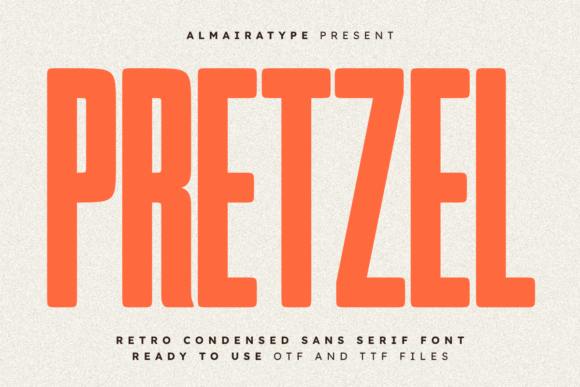
I remember the exact moment I realized my lifestyle blog’s header needed a complete overhaul. The existing typography was safe, clean, and utterly forgettable—a standard sans serif that blended into the white noise of the internet. As an editorial designer, I know that typeface is not just text; it is the voice of your publication. It sets the mood before a single word is read. That afternoon, while testing various display options for a redesign project, I stumbled upon Pretzel, a bold and striking retro condensed sans serif font carefully curated to bring a delightful vintage warmth to your modern creative projects. From the first glance, its beautifully tall, compressed structure promised exactly what my layout lacked: character, rhythm, and a distinct visual anchor.
In this review, I will walk you through how Pretzel functions within real-world publishing workflows. Whether you are building a digital magazine, designing a printable planner, or crafting a brand identity for a boutique studio, understanding how a condensed typeface impacts readability and hierarchy is crucial. This is not just about finding a pretty font; it is about selecting a tool that enhances content structure and supports your publication’s unique identity.
Pretzel as a Display Font for Magazine Covers and Blog Headers
When evaluating Sans Serif fonts for high-impact editorial spaces, the primary challenge is balancing legibility with stylistic flair. Pretzel excels in this niche because its condensed nature allows for large, impactful headlines without consuming excessive horizontal space. In my recent test using Pretzel for a wedding guide cover, the tight letterforms created a dense, textured block of text that felt both nostalgic and contemporary. The font’s inherent "vintage warmth" prevents it from feeling cold or overly geometric, which is a common pitfall with many modern condensed typefaces.
For bloggers and newsletter writers, Pretzel serves as an excellent choice for article titles and pull quotes. Its bold weight commands attention, guiding the reader’s eye down the page. However, it is important to recognize its role as a display font. While it shines in short bursts—such as section headings, chapter openers, or logo design accents—it requires careful handling when used in longer contexts. The compression of the letters means that at smaller sizes, the x-height can become difficult to parse, potentially slowing down reading speed. Therefore, use Pretzel to create visual hierarchy, reserving it for moments where you want to pause the reader and emphasize a key message.
Visual Rhythm and Compressed Structure
The defining characteristic of Pretzel is its tall, compressed structure. This vertical emphasis creates a unique rhythm on the page, making it particularly effective for layouts that need to feel airy yet substantial. When paired with ample white space, the font breathes, allowing the intricate details of each glyph to stand out. For instance, in a recipe ebook layout, using Pretzel for dish names adds a touch of artisanal charm that complements food photography perfectly. The font’s retro roots evoke a sense of timelessness, suggesting quality and care in your content creation.
This structural quirk also makes Pretzel highly versatile for branding. If you are creating a brand identity for a coffee shop, a vintage clothing store, or a creative agency, Pretzel offers a distinctive silhouette that stands out in social media graphics and packaging design. The font’s ability to convey personality without being overly ornate makes it a strong candidate for modern typography projects that seek to bridge the gap between classic aesthetics and contemporary minimalism.
Pretzel for Digital Products and Printable Guides
Beyond traditional publishing, Pretzel has found a natural home in the realm of digital products and printables. As a creator of coaching workbooks and course PDFs, I often look for fonts that maintain clarity when exported to PDF but still retain their artistic integrity on screen. Pretzel delivers on both fronts. Its bold strokes ensure that headers remain crisp even on lower-resolution screens, while its refined curves add a layer of sophistication that elevates the perceived value of the product.
Consider a scenario where you are designing a printable planner or a worksheet template. Using Pretzel for the main title and section dividers provides a clear visual structure that helps users navigate the document easily. The font’s condensed width allows you to fit more information into a compact space without sacrificing readability, which is essential for planners and guides where space is at a premium. Furthermore, the vintage aesthetic of Pretzel aligns well with trends in self-care, wellness, and creative entrepreneurship, making it a strategic choice for these niches.
However, when integrating Pretzel into digital assets, it is vital to consider contrast and color. Because the font is bold and dark, it pairs best with light backgrounds. Testing different background colors is recommended to ensure that the "delightful vintage warmth" translates effectively across various devices. Additionally, always check the included styles and weights. If Pretzel offers multiple weights, such as light or regular versions, they may be better suited for subheadings or secondary information, allowing you to build a more nuanced typographic scale.
Font Pairing Strategies for Editorial Layouts
No typeface exists in isolation, and Pretzel is no exception. To maximize its impact, it must be paired with a complementary serif font or a clean sans serif font for body copy. The general rule of thumb in font pairing is to balance the expressive qualities of a display font with the neutral reliability of a reading font. For Pretzel, I recommend pairing it with a classic serif like Garamond or Baskerville for long-form content. The contrast between the rigid, condensed geometry of Pretzel and the organic, flowing shapes of a serif creates a harmonious tension that is pleasing to the eye.
Alternatively, for a more modern, minimalist look, pair Pretzel with a geometric sans serif for captions, navigation menus, and UI elements. This combination reinforces the contemporary aspect of Pretzel’s design while ensuring that functional text remains highly readable. Avoid pairing Pretzel with other display fonts or script fonts, as this can lead to visual clutter and compete for the reader’s attention. The goal is to let Pretzel shine as the star while the supporting cast ensures the content is accessible and easy to digest.
Readability Considerations for Long-Form Content
While Pretzel is a powerful tool for headlines and decorative accents, it is generally not suitable for body copy, small captions, or dense paragraphs. The condensed structure can cause letters to merge visually at small sizes, leading to eye strain for readers. For long-form articles, book interiors, or formal reports, stick to dedicated reading fonts that prioritize clarity and comfort. By reserving Pretzel for titles, subtitles, and pull quotes, you maintain a professional standard of readability while still injecting personality into your design.
It is also worth noting the importance of line height and letter spacing when using Pretzel. Due to its tall and narrow proportions, increasing the line height slightly can prevent lines of text from feeling cramped. Similarly, adjusting tracking (letter spacing) can enhance legibility, especially if you are using the font in all caps for emphasis. These subtle adjustments demonstrate a thoughtful approach to editorial design, showing that you care about the user experience as much as the aesthetic appeal.
Commercial Licensing and File Formats
Before incorporating Pretzel into any commercial project, whether it is a paid newsletter, a client publication, or a digital download, it is essential to review the licensing terms. Most premium fonts come with specific guidelines regarding commercial use, web embedding, and print runs. Ensure that you have the appropriate license for your intended use case to avoid legal complications. Additionally, verify the available file formats, such as OTF, TTF, or WOFF, to ensure compatibility with your design software and web platforms.
Checking for additional features like ligatures, alternates, and multilingual support can also expand the utility of Pretzel in your projects. Multilingual support is particularly valuable if you are creating content for a global audience or working with diverse client bases. By thoroughly understanding the technical specifications and legal requirements of Pretzel, you can integrate it confidently into your workflow, knowing that it meets both your creative and practical needs.
Final Verdict on Pretzel Typeface
Pretzel is a standout addition to any designer’s toolkit, offering a perfect blend of retro charm and modern functionality. Its bold, condensed form makes it ideal for grabbing attention in crowded digital spaces, while its warm character adds depth to editorial layouts. Whether you are redesigning a blog, creating a wedding guide, or developing a brand identity, Pretzel provides the visual punch needed to make your content memorable. By using it strategically alongside readable body fonts and paying attention to pairing and spacing, you can create publications that are not only beautiful but also engaging and accessible. For creators seeking a creative font that bridges the gap between nostalgia and contemporary design, Pretzel is a compelling choice.