Metrolog Typeface: A Soft Sans Serif for Editorial Design
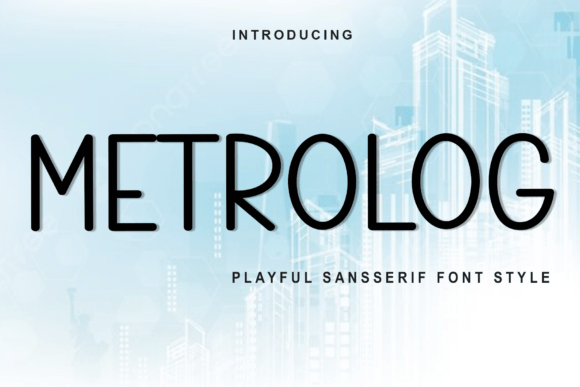
The cursor blinked on the blank page, a silent challenge to anyone who has ever redesigned a digital publication. I was working on a comprehensive lifestyle guide—a mix of long-form essays and quick-reference checklists—and the typography felt flat. It lacked the personality that turns a casual reader into a loyal subscriber. That is when I turned my attention to Metrolog, a beautiful and eye-catching font designed with a soft, unique touch. Its distinctive strokes give it a special character, making it meaningful and versatile for future use. With various c
Choosing the right typeface is rarely just about aesthetics; it is about setting the emotional tone of your content before a single word is read. In this case study, we explore how integrating Metrolog into an editorial workflow can elevate brand identity, improve visual hierarchy, and create a more inviting reading experience for bloggers, publishers, and digital product creators.
Metrolog for Lifestyle Blog Headers and Brand Identity
When designing a modern blog header, the goal is to capture attention without overwhelming the navigation or the content below it. Metrolog stands out as a premium font choice for establishing a strong yet approachable brand identity. As a sans serif typeface, it offers clean lines, but unlike many geometric sans serifs that feel cold or corporate, Metrolog brings warmth to the design through its softened edges and rhythmic spacing.
I tested Metrolog on a draft layout for a wellness and travel blog. The headline needed to feel like a gentle invitation rather than a shout. The distinctive strokes of the letters created a sense of movement and elegance that perfectly matched the editorial voice. For independent content brands looking to differentiate themselves in a crowded market, using a creative font like Metrolog allows for immediate recognition. It signals to the audience that the content inside is curated, thoughtful, and high-quality. By applying Metrolog to main titles and logo lockups, designers can create a cohesive visual language that resonates with readers seeking authenticity and style.
Metrolog in Ebook Covers and Digital Magazine Layouts
In the world of digital publishing, cover art and magazine layouts compete for seconds of attention on small screens. Metrolog excels in these high-impact environments where legibility must coexist with artistic flair. Its versatility makes it an ideal candidate for ebook titles, chapter openers, and pull quotes within digital magazines.
During a redesign of a coaching workbook, I experimented with using Metrolog for the section headers. The font’s unique character added a layer of sophistication that elevated the perceived value of the digital product. Because it is a sans serif font, it pairs exceptionally well with body copy fonts, allowing for clear visual hierarchy. When used for larger display text, such as cover headlines or feature article titles, Metrolog draws the eye naturally. However, it also works beautifully in smaller sizes for subtitles and captions, provided the weight is chosen carefully. This adaptability ensures that the typography supports the content rather than distracting from it, maintaining a professional and polished look across PDF exports and web views.
Metrolog for Printable Planners and Wedding Guides
The rise of digital products has created a booming market for printable planners, wedding guides, and educational worksheets. These items require typography that is not only visually appealing but also highly functional. Metrolog’s soft, unique touch makes it particularly suitable for projects that aim to evoke calmness, organization, and celebration.
I recently applied Metrolog to a series of printable wedding planning sheets. The font’s distinctive strokes added a touch of romance and modernity that traditional scripts sometimes lack. It felt contemporary yet timeless, which is crucial for keepsake items. For printable sellers, using a font like Metrolog helps in creating designs that stand out on marketplaces. The clarity of the sans serif structure ensures that users can easily read instructions and fill in details, while the aesthetic appeal encourages them to share their completed pages on social media. This combination of form and function is what makes Metrolog a valuable asset for creators in the stationery and event planning niches.
Metrolog Font Pairing Strategies for Editorial Readability
No font exists in isolation, and effective editorial design relies heavily on strategic font pairing. Metrolog, with its strong display characteristics, benefits from being balanced by a neutral, highly readable typeface for body text. Since Metrolog is a sans serif, it can be paired with either a clean sans serif for a minimalist, modern look or a classic serif font to introduce contrast and tradition.
In a recent newsletter graphic project, I paired Metrolog for the subject line and key highlights with a standard serif font for the main body paragraphs. This combination leveraged the eye-catching nature of Metrolog to grab attention in the inbox, while ensuring that the detailed content remained easy to scan and read. The contrast between the soft, unique touches of Metrolog and the structured reliability of a serif body font created a harmonious balance. This approach is particularly effective for course creators and authors who need to maintain readability over long periods of screen time. By carefully selecting weights and styles, designers can use Metrolog to guide the reader’s eye through complex information without causing visual fatigue.
Technical Considerations and Licensing for Commercial Use
Before incorporating Metrolog into any commercial project, whether it is a paid newsletter, a client publication, or a template for sale, it is essential to review the technical specifications and licensing terms. High-quality fonts often come with a variety of styles, alternates, ligatures, and multiple weights, all of which contribute to their versatility. Checking for multilingual support is also crucial if your audience spans different regions.
Ensure that the file formats included are compatible with your design software, such as Adobe InDesign, Illustrator, or Canva. Understanding the commercial font licensing agreement will protect you from legal issues and ensure that you are using the typeface ethically. For designers focused on packaging design, web design, or social media graphics, having a robust toolkit of design assets like Metrolog can streamline the creative process. The investment in a premium font pays off in the longevity and professionalism of the final output. By choosing Metrolog, you are opting for a typeface that is built for meaningful and versatile future use, supporting your brand’s growth and evolution.
Finalizing Your Typography Stack with Metrolog
The journey from a blank document to a polished editorial piece is defined by the small details, and typography is one of the most impactful of those details. Metrolog offers a blend of beauty, functionality, and character that meets the demands of modern digital and print design. Whether you are crafting a heartfelt wedding guide, a sleek tech newsletter, or a personal blog, the soft, unique touch of this sans serif font can help tell your story more effectively.
As you refine your design assets, consider how Metrolog fits into your overall brand identity. Its ability to serve as both a striking display font and a subtle accent makes it a flexible tool in any designer’s arsenal. By prioritizing thoughtful font choice, you enhance the reader’s experience, fostering engagement and trust. In a digital landscape saturated with generic templates, choosing a distinctive typeface like Metrolog is a powerful way to assert your unique voice and leave a lasting impression on your audience.