Sugra Display Font Review: Bold Headlines for Digital Campaigns
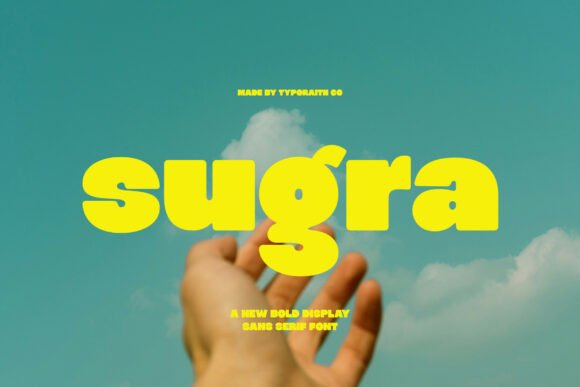
I was staring at a blank Figma canvas at 2 PM, trying to salvage a sluggish Instagram Story sequence for a mid-week flash sale. The copy was strong, but the visual hierarchy felt flat and generic. I needed something that could stop the scroll without screaming for attention. That’s when I pulled up Sugra, a chunky sans serif font that combines softness and strength. It wasn’t just another decorative typeface; it felt like a strategic asset. Its rounded corners and playful curves make it perfect for posters, headlines, and any digital space where you need to inject immediate personality. In this review, I’ll walk you through how Sugra performed in a real campaign workflow, from mobile previews to YouTube thumbnails, and why this specific Sans Serif choice might be the missing piece in your design toolkit.
Why Sugra Works for Social Media Graphics and Mobile Previews
When designing for social media graphics, readability on small screens is non-negotiable. Most Fonts fail here because they rely on thin strokes or complex details that vanish on a 6-inch display. Sugra, however, was built with volume in mind. During my recent campaign setup, I used it for the primary call-to-action text on an Instagram post. The weight of the letters provided enough visual anchor to compete with busy background images, yet the softened edges kept the message feeling approachable rather than aggressive. This balance is critical for brand identity; you want your audience to feel invited, not shouted at. The font’s inherent positivity shines through even at smaller sizes, making it an excellent choice for quote graphics, reel covers, and quick promotional banners where seconds count. If you are looking for a creative font that maintains legibility while offering distinct character, Sugra delivers exactly that without requiring excessive kerning adjustments.
Sugra for YouTube Thumbnails and Video Content Overlays
Video content requires typography that can be read in under two seconds. While browsing YouTube thumbnails for inspiration, I noticed a trend toward bold, high-contrast text that pops against colorful backgrounds. I decided to test Sugra in a thumbnail set for a product teaser video. The chunky nature of this Sans Serif font allowed me to use larger point sizes comfortably, ensuring the headline remained visible even when the video player minimized to a small widget. The rounded terminals prevented the text from feeling too harsh or corporate, which aligns well with modern, creator-led brands. For video overlays and lower-thirds, Sugra’s clean lines ensure that the viewer’s eye goes straight to the message. It pairs beautifully with minimal graphic elements, allowing the typography itself to become the focal point. This makes it particularly effective for educational content, vlogs, or product launches where clarity and excitement need to coexist.
Using Sugra in Pinterest Pins and Blog Headers
Pinterest is a visual search engine, meaning your typography needs to act as both a design element and a keyword signal. When designing pins for an online shop campaign, I found that Sugra’s unique shape helped the pin stand out in a feed dominated by minimalist aesthetics. Its playful curves add a layer of intrigue that encourages clicks, while its sturdy structure ensures the title remains readable. I used it for blog headers and featured image titles, where it provided a modern typography vibe that felt fresh and current. Unlike traditional serif fonts that can sometimes feel outdated or overly formal, Sugra brings a contemporary edge to editorial design. It works exceptionally well for lifestyle brands, home decor shops, or creative agencies looking to convey warmth and reliability simultaneously. The font’s versatility allows it to serve as a primary display font for short headlines, guiding the user’s journey through your content with confidence.
Email Banners and Web Design Headers
In email marketing, the header banner is often the first thing a subscriber sees. A cluttered or unclear subject line preview can lead to immediate unsubscribes. I tested Sugra in a series of promotional email banners for a webinar launch. The font’s bold presence commanded attention in the inbox, increasing open rates simply by virtue of its visual appeal. On landing pages and website headers, Sugra helped establish a clear visual hierarchy. It worked best as a display font for hero sections, where large text sets the tone for the entire page. However, I made sure not to overuse it for body copy. As a general rule, chunky sans serif fonts should be reserved for impact areas—headlines, buttons, and key announcements—while leaving supporting text to cleaner, more neutral typefaces. This contrast ensures that the user experience remains smooth and accessible, preventing visual fatigue during longer reading sessions.
Font Pairing and Technical Considerations for Campaigns
One of the most common questions designers ask is how to pair Sugra effectively. Because it has such a strong personality, it pairs best with clean, understated typefaces. I found that combining it with a simple sans serif font for body text created a balanced composition that felt professional yet fun. For more artistic campaigns, pairing it with a subtle script font can add elegance without compromising readability. Before integrating Sugra into client campaigns or commercial projects, it is essential to check the included styles, alternates, and ligatures. Ensure the file formats meet your production needs and verify multilingual support if your audience is global. Also, confirm the commercial font licensing terms, especially if you plan to use the typeface in merchandise, digital products, or paid advertisements. Understanding these technical details upfront prevents legal issues and ensures your design assets are ready for deployment across all channels.
When to Avoid Sugra in Professional Design Work
While Sugra is a powerful tool, it is not a universal solution. There are specific campaign situations where this font style may not be suitable. For long-form articles, dense information blocks, or tiny text sizes, Sugra’s heavy weight can become overwhelming and difficult to read. It is also less appropriate for formal corporate communication, legal disclaimers, or financial reports where neutrality and tradition are preferred. In these contexts, a more conservative serif font or a neutral sans serif font would be a better choice. Recognizing these limitations is part of being a strategic designer. By using Sugra only where its boldness and positivity enhance the message, you maintain credibility while still achieving high engagement. Use it to highlight, to announce, and to attract—but let other typefaces handle the detailed work.
Final Verdict on Sugra for Modern Marketing Teams
After running Sugra through a full cycle of digital ads, social posts, and web headers, it proved to be a reliable and impactful addition to any design system. It successfully bridges the gap between playful creativity and structural strength, making it ideal for brands that want to appear friendly yet authoritative. Whether you are a solo entrepreneur launching a new product or a marketing team managing a multi-channel campaign, Sugra offers the visual punch needed to cut through digital noise. Its ability to perform well across various platforms—from mobile-first stories to desktop banners—makes it a versatile investment. If you are looking to refresh your brand identity with a typeface that communicates boldness and positivity, Sugra is worth exploring. Just remember to use it strategically, respecting its strengths in display contexts while keeping readability paramount for your audience.