Thick Strokes Typeface: Elevating Editorial Design with Bold Modern Typography
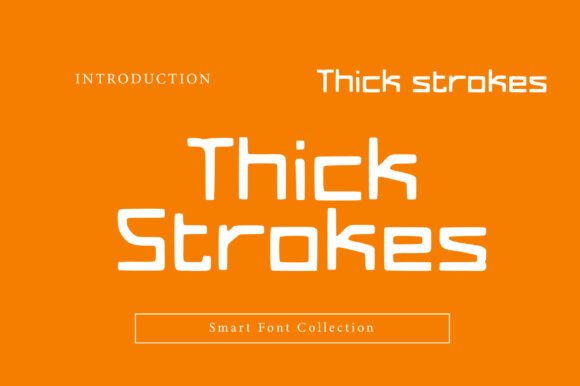
I was staring at a blank canvas for my latest digital magazine layout, trying to decide how to anchor the visual hierarchy. The content was rich—deep dives into sustainable living and modern architecture—but the typography felt too timid. I needed something that commanded attention without sacrificing readability, something that could bridge the gap between a striking cover image and the delicate body text. That is when I revisited Thick Strokes, a bold, modern sans-serif font with clean geometry and heavy letterforms designed for maximum impact. It wasn’t just another display typeface; it felt like the structural backbone my design had been missing.
In the world of editorial design, choosing the right Fonts is rarely about following trends alone; it is about establishing a voice. When you select a Sans Serif with such deliberate weight, you are making a statement before the reader even processes the words. This article explores how Thick Strokes transformed my workflow, offering insights into its application in real-world publishing scenarios, from newsletter headers to printable workbooks.
Thick Strokes for Digital Magazine Covers and Blog Headers
The first place I applied Thick Strokes was the masthead of my lifestyle blog redesign. As a bold, modern sans-serif font with clean geometry and heavy letterforms designed for maximum impact, it immediately distinguished the site from competitors using more traditional serif or light sans-serif headers. The thick, solid strokes make it highly readable at any size, which is crucial when your logo needs to be visible on both a desktop monitor and a small mobile screen.
For bloggers and publishers, the header is often the first point of contact. Using a font like Thick Strokes ensures that your brand identity is established instantly. The geometric precision gives it a contemporary, authoritative feel, perfect for niches like tech, architecture, or business. However, its versatility allows it to work equally well in creative fields. By anchoring the top of the page with this heavy typeface, I created a strong visual entry point that guided the eye downward into the softer, more detailed content below. It proved that a premium font choice can significantly enhance user engagement by reducing cognitive load and increasing aesthetic appeal.
Thick Strokes in Recipe Ebooks and Printable Guides
Beyond digital screens, I tested Thick Strokes in a physical format: a recipe ebook intended for print-on-demand. In long-form content and PDF exports, legibility is paramount. While many decorative fonts fail under scrutiny, the clean geometry of Thick Strokes ensures that chapter titles and section headers remain crisp and clear. The heavy letterforms provide excellent contrast against white space, making navigation intuitive for the reader.
- Visual Hierarchy: Use Thick Strokes for main chapter titles to create distinct breaks in the narrative flow.
- Readability: Its high x-height and open counters prevent the text from feeling cramped, even at smaller sizes used for subheaders.
- Brand Consistency: Applying the same bold weight across the cover, table of contents, and chapter openers creates a cohesive professional look.
This approach is particularly effective for creators selling digital products, such as coaching workbooks or printable planners. When a customer downloads a guide, the quality of the typography signals the quality of the advice inside. A well-chosen display font like Thick Strokes elevates the perceived value of the product, turning a simple PDF into a polished editorial piece.
Thick Strokes for Newsletter Graphics and Social Media
One of the most challenging aspects of modern content creation is designing social media graphics that stop the scroll. Whether you are creating a quote graphic for Instagram or a header for an email newsletter, you need type that pops. Thick Strokes excels here because its heavy weight demands attention. The font’s ability to hold its shape at various scales means it looks just as powerful in a tiny thumbnail as it does in a full-width banner.
I experimented with pairing Thick Strokes for pull quotes within my weekly newsletter. Instead of letting the text blend into the background, the bold, solid strokes made the key takeaways stand out. This technique not only aids readers who skim content but also reinforces the core message of the publication. For independent content brands, this kind of thoughtful typographic treatment can differentiate your communication style in a crowded inbox. It transforms standard updates into branded experiences.
Font Pairing Strategies for Editorial Layouts
A common misconception is that a single font can do everything. In reality, effective editorial design relies on contrast. Thick Strokes serves beautifully as a display font, but it is not ideal for dense body copy. To maintain a comfortable reading experience, I paired it with a light, humanist sans serif or a classic serif font for the main text. This combination leverages the strengths of both typefaces: the authority and impact of Thick Strokes for headlines, and the comfort and rhythm of the secondary font for long-form reading.
When selecting a companion font, consider the mood you wish to convey. For a minimalist aesthetic, pair Thick Strokes with a thin sans serif. For a more traditional editorial look, a classic serif provides a sophisticated counterpoint. This strategic font pairing ensures that the bold nature of the headline does not overwhelm the content but rather frames it effectively. It is essential to check the included styles and weights of the font family to ensure there is enough variation to support this hierarchy without needing additional purchases.
Technical Considerations for Commercial Use
Before integrating Thick Strokes into client publications or paid newsletters, it is vital to review the licensing terms. Understanding whether the font is a commercial font suitable for resale in templates or if it requires extended licenses for high-volume prints protects your business legally. Additionally, verifying multilingual support is crucial if your audience is global. Most modern typefaces include extensive character sets, but confirming support for accented characters and special symbols ensures that your designs remain accurate and professional across different languages.
Furthermore, checking the file formats provided—such as OTF, TTF, or WOFF—ensures compatibility with your design software and web platforms. Having access to multiple formats allows you to use the font seamlessly across print materials, web design projects, and mobile app interfaces. This flexibility is a hallmark of a high-quality premium font, saving time and ensuring consistency across all your design assets.
Final Thoughts on Typography as a Design Tool
Choosing Thick Strokes was not just an aesthetic decision; it was a strategic move to improve the overall user experience of my content. By leveraging a bold, modern sans-serif font with clean geometry and heavy letterforms designed for maximum impact, I created a stronger connection with my audience. The thick, solid strokes make it highly readable at any size, proving that functionality and beauty can coexist in modern typography.
Whether you are designing a wedding guide, a course PDF, or a digital magazine, the right font can elevate your work from amateur to professional. Thick Strokes offers the weight and presence needed to cut through the noise, while its clean lines ensure it remains timeless. For designers and publishers looking to add impact to their editorial layouts, exploring the potential of such distinctive typefaces is a worthwhile investment in the quality of their craft.